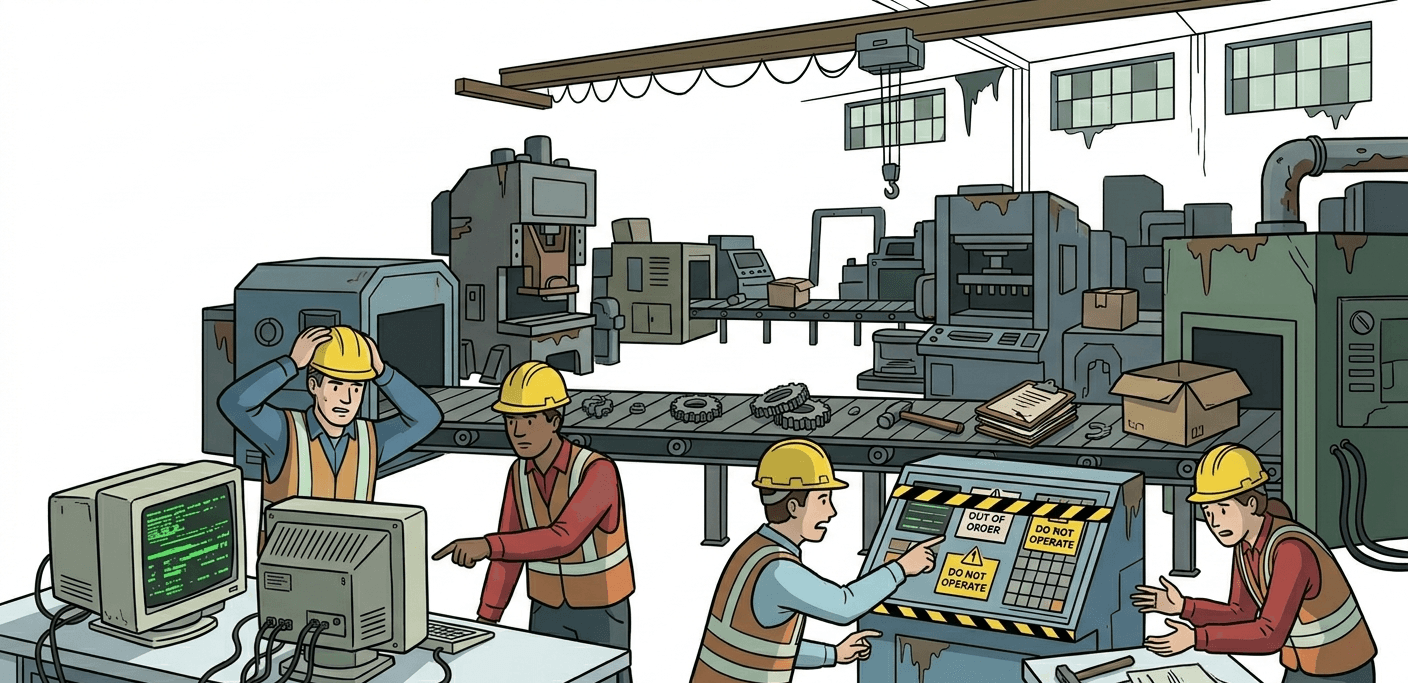
As we progress into 2026, the challenge of outdated technology becomes increasingly pressing. For manufacturing companies, managing legacy systems is not just a technical hurdle but a strategic imperative.
This blog explores the complexities of legacy systems in manufacturing, focusing on how inexperienced sysadmins can navigate these challenges effectively.
What Is Legacy System In Manufacturing?
A Legacy System in manufacturing refers to outdated technology, software, or processes still in use. These systems often include old machinery, software applications, and data management tools that, while functional, hinder efficiency and integration with modern technologies.
Why Legacy System In Manufacturing Matters in 2026
In 2026, the significance of legacy systems is heightened due to: 1) Increased competition requiring agility; 2) The rise of smart manufacturing technologies; and 3) Regulatory compliance pressures demanding modernization.
What Legacy System In Manufacturing Providers Offer
Leading providers in the legacy modernization space offer a range of services tailored to manufacturing needs, including:
- System Assessment: Comprehensive evaluations of existing systems to identify weaknesses and modernization opportunities.
- Integration Services: Seamless integration of legacy systems with new technologies to enhance operational efficiency.
- Cloud Migration: Transitioning data and applications from on-premise to cloud platforms for improved accessibility.
- Custom Software Development: Tailored solutions that address specific legacy system challenges while ensuring future scalability.
- Training and Support: Ongoing training programs for staff to ensure smooth transitions and effective use of new systems.
How to Choose the Best Legacy System In Manufacturing Partner in 2026
Choosing the right provider involves evaluating several key criteria, including:
- Experience: Look for providers with a proven track record in manufacturing.
- Scalability: Ensure their solutions can grow with your business needs.
- Support Services: Assess the level of ongoing support they offer post-implementation.
- Technology Stack: Check if their technology aligns with your existing infrastructure.
- Cost Transparency: Evaluate their pricing model for hidden fees or long-term commitments.
Trends to Watch in 2026
Key trends influencing legacy systems in manufacturing in 2026 include a shift towards automation, increasing reliance on AI for decision-making, and a focus on sustainability in technology choices.
- Automation Adoption: Manufacturers increasingly leverage automation to enhance productivity.
- AI Integration: AI tools are becoming essential for data analytics and operational efficiency.
- Sustainability Focus: Companies are prioritizing eco-friendly technologies in their modernization efforts.
Benefits of Working With Top Providers
Engaging with top providers for legacy system modernization offers significant advantages, including:
- Increased Efficiency: Modern systems streamline operations and reduce downtime.
- Cost Savings: Upgrading can lead to lower maintenance costs over time.
- Enhanced Security: Modern systems provide better security features against cyber threats.
- Improved Data Management: Upgraded systems enable better data analytics and insights.
Common Challenges and How to Solve Them
Common challenges in modernizing legacy systems include resistance to change and data migration complexities. Top providers help mitigate these issues through comprehensive change management and robust data migration strategies.
- Resistance to Change: Providers offer training to ease the transition for staff.
- Data Migration Issues: Expert teams ensure data integrity during the migration process.
- Integration Difficulties: Solutions are designed to facilitate seamless integration with existing systems.
- cost-effective Constraints: Providers help optimize costs through phased implementation.
Frequently Asked Questions
What is this service and why does it matter in 2026?
Legacy system modernization is crucial for manufacturers to stay competitive, improve efficiency, and comply with industry regulations.
How long does a typical project like this take?
Most projects take 6-12 months, depending on the complexity of the existing system and the scope of modernization.
What does it cost for a mid-market business?
Costs can range from $50,000 to $500,000, influenced by system complexity and provider expertise.
What are the biggest risks and how are they managed?
Key risks include data loss and downtime, which can be mitigated through thorough planning and testing.
How do I choose the right partner for this?
Look for providers with industry experience, transparent pricing, and strong customer support.
Final Thoughts
As manufacturing continues to evolve, addressing legacy systems is vital for operational success. Engage a trusted modernization partner to ensure your systems are ready for the future.
Ready to Get Started?
Ready to modernize your legacy system? Contact us today! Talk to Our Team.