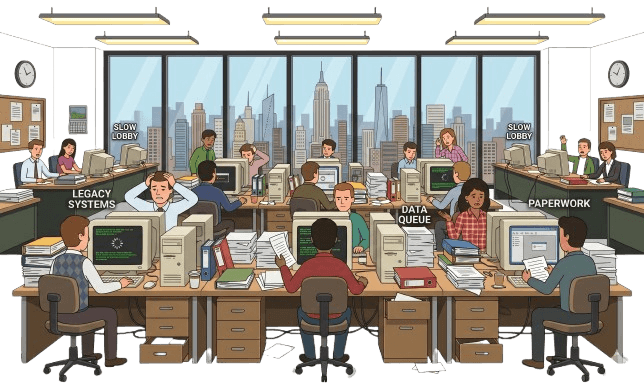
In 2026, nearly 85% of organizations are prioritizing cloud migration for legacy systems, according to Gartner. This shift is not just a trend; it’s a necessity for maintaining competitive advantage. Companies that modernize their infrastructure are expected to see operational efficiency improvements of up to 40%.
This article explores essential strategies for migrating legacy systems to AWS, focusing on C# applications. Understanding these steps is crucial for mid-market companies aiming to enhance performance and reduce costs in a rapidly evolving digital landscape.
Outdated Systems Cost Money
Legacy systems often lead to increased operational costs and inefficiencies. For instance, companies relying on outdated C# applications may experience downtime that costs them an average of $300,000 per hour. These financial losses highlight the urgent need for modernization.
Transitioning to AWS can significantly reduce these costs by leveraging cloud capabilities. With AWS's elastic compute resources, companies can scale their infrastructure according to demand, minimizing wasted expenditure. This approach not only saves money but also enhances responsiveness to market changes.
As a result, businesses that modernize their infrastructure can expect to save between 20-30% on IT costs annually. This financial relief allows for reinvestment into innovation and growth initiatives.
Modernization Boosts Performance
Legacy systems can hinder application performance, causing slow response times and user dissatisfaction. For example, a mid-market company found that their legacy C# application had a response time averaging 5 seconds, leading to a 25% drop in user engagement.
Migrating to AWS allows for the implementation of microservices architecture, improving application performance and user experience. By breaking down monolithic applications into smaller, manageable units, businesses can enhance speed and reliability.
Consequently, companies that embrace this modern architecture report performance improvements of up to 50%. This not only attracts more customers but also increases retention rates.
Security Is Non-Negotiable
Legacy systems often lack robust security measures, making them vulnerable to cyber threats. According to a report by McKinsey, companies using outdated technology face a 30% higher risk of data breaches, which can severely damage reputation and finances.
By migrating to AWS, businesses can utilize advanced security features such as encryption and identity access management. AWS's shared responsibility model helps ensure that critical data remains protected against evolving threats.
Organizations that prioritize security through cloud migration have seen a 40% reduction in security incidents. This proactive approach not only safeguards assets but also builds customer trust.
Streamlined Compliance Processes
Regulatory compliance is a major challenge for companies operating legacy systems. Many organizations struggle to meet stringent compliance requirements, risking costly fines and legal repercussions. For instance, non-compliance can lead to penalties exceeding $1 million.
Migrating to AWS simplifies compliance management by providing built-in compliance tools and features. AWS complies with various standards, including GDPR and HIPAA, making it easier for businesses to adhere to regulations.
As a result, companies that modernize their compliance processes through AWS can reduce the time spent on audits by up to 50%. This efficiency allows teams to focus on strategic initiatives rather than compliance hurdles.
Scalability Drives Growth
Legacy infrastructure often limits a company's ability to scale operations. For mid-market companies, this can stifle growth opportunities, especially in dynamic markets. In fact, 60% of businesses cite scalability as a critical factor for future success.
AWS provides scalable resources that can expand or contract based on real-time needs. This flexibility allows companies to launch new products quickly and respond to market demands without significant upfront investment.
As a consequence, organizations that leverage AWS for scalability report a 35% faster time-to-market for new offerings, giving them a competitive edge in their industry.
Improved Collaboration and Innovation
Legacy systems can stifle collaboration, limiting the potential for innovation. In 2026, companies that leverage modern cloud technologies are 2.5 times more likely to foster innovative practices among teams, according to a Deloitte study.
AWS facilitates collaboration through its integrated tools and services, allowing teams to work seamlessly across different locations. This enhanced communication fosters a culture of innovation and agility.
Businesses that prioritize collaboration through AWS have seen a 50% increase in project completion rates. This not only accelerates development cycles but also boosts overall employee satisfaction.
Why Businesses Must Adapt Now
As technology continues to evolve, the gap between legacy systems and modern solutions widens. Companies that delay modernization risk falling behind competitors who are already reaping the benefits of cloud migration.
In 2026, the trend towards digital transformation is accelerating, with 70% of organizations prioritizing cloud adoption. Failing to adapt could mean missing out on vital market opportunities.
Now is the time for businesses to embrace change and invest in a future-proof infrastructure. The benefits of modernization are clear, and the risks of inaction are significant.
Frequently Asked Questions
What exactly is this and how does it work?
AWS legacy migration involves moving outdated systems to Amazon's cloud infrastructure. It typically includes re-architecting applications for better performance and cost-effectiveness.
How is this changing businesses in 2026?
In 2026, businesses are experiencing reduced costs and improved efficiency through cloud migration, with many reporting operational savings of over 20%.
What are the biggest benefits for mid-market companies?
Mid-market companies can expect enhanced performance, improved security, and greater scalability, all of which are crucial for competing in today's market.
What are the main challenges when adopting this?
Adopting cloud solutions can be challenging due to potential skills gaps and integration issues. However, careful planning and training can mitigate these risks.
How do I know if my business is ready?
Indicators of readiness include outdated technology, high operational costs, and a need for improved performance metrics. Conducting a technology audit can clarify next steps.
Conclusion
The importance of legacy migration to AWS cannot be overstated in today’s fast-paced business environment. Companies that modernize can unlock significant operational advantages and cost savings.
Leading companies are already leveraging cloud technologies to enhance their operational efficiency and foster innovation. Staying ahead of the competition requires immediate action.
Act now to secure your business's future. Embrace modernization and transform your infrastructure to thrive in the digital age.
Take the Next Step in 2026
Connect with us for a personalized consultation on how to modernize your infrastructure. Our team at KSoft Technologies is here to guide you every step of the way.