
Introduction
In the ever-evolving world of web development, creating an exceptional digital experience is not just about aesthetics—it’s about functionality and user satisfaction. Businesses investing in website design often hear the terms UI (User Interface) and UX (User Experience), but do they really understand their significance? While these two concepts are closely related, they serve distinct purposes in ensuring a seamless and engaging digital experience.
At KSoftTechnology, we specialize in crafting eCommerce website development solutions and responsive web design strategies that incorporate the best UI and UX practices. In this blog, we’ll break down the key differences between UI and UX, why they matter, and how businesses can leverage both to build high-performing websites and applications.
What is UI (User Interface)?
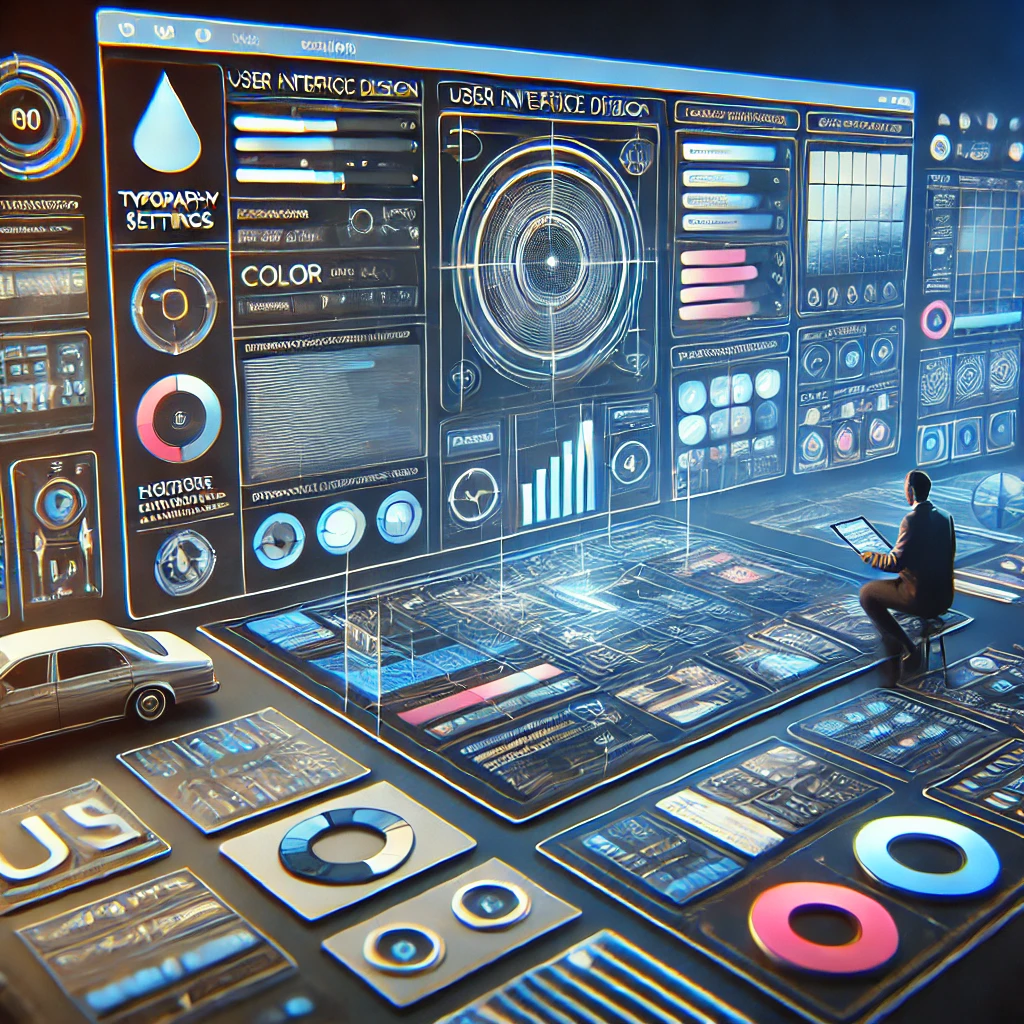
User Interface (UI) refers to the visual elements of a digital product—everything users interact with on the screen, from buttons and icons to color schemes and typography. It focuses on the aesthetics and presentation of a website or application, ensuring it looks appealing and intuitive.
Key Elements of UI:
- Visual Design: Typography, color palettes, spacing, and imagery
- Interactive Elements: Buttons, sliders, forms, and navigation menus
- Consistency: Maintaining uniformity in design elements across the platform
- Brand Identity: Ensuring design elements reflect the brand’s values and personality
- Layout and Structure: Designing logical placements for each element to guide the user journey
- Microinteractions: Small animations and effects that enhance usability and engagement
A well-designed UI in website design ensures that users find it easy and enjoyable to interact with a website. Whether you are designing a corporate portal or an eCommerce website development platform, an intuitive UI can significantly impact customer engagement.
What is UX (User Experience)?
User Experience (UX) focuses on the overall feel of the user’s interaction with a product. It is concerned with how easy, efficient, and enjoyable the experience is when navigating a website or application.
Key Elements of UX:
- User Research: Understanding target audience needs and behaviors
- Information Architecture: Structuring content for easy navigation
- Usability Testing: Identifying and fixing pain points in the user journey
- Accessibility: Ensuring the design is inclusive for all users
- Customer Journey Mapping: Identifying how users interact with different touchpoints on the site
- Behavioral Analytics: Using heatmaps and data-driven insights to refine the design
A seamless UX in web development makes users feel comfortable and confident when interacting with a website, leading to higher conversions and customer satisfaction. Whether it's a responsive web design for mobile users or a custom-built solution for an online store, UX plays a crucial role in user retention.
UI vs. UX: The Key Differences
While UI and UX work together to enhance digital experiences, they serve different purposes. UI focuses on the visual design, aesthetics, and branding of a website, ensuring that it looks appealing and aligns with the brand identity. On the other hand, UX is more about usability, accessibility, and the overall experience of interacting with a website or application.
UI elements include colors, fonts, buttons, icons, and animations that make a website visually engaging. Meanwhile, UX focuses on navigation, speed, ease of use, and user flow to ensure that users can complete their intended actions effortlessly.
The primary goal of UI is to create an interface that is attractive and engaging, while UX ensures that the interface functions smoothly and provides a meaningful experience to the user. UI involves designing screens and visual elements, whereas UX requires user research, testing, and iteration to improve the overall interaction.
Simply put, UI is about how things look, while UX is about how things work. A stunning website with poor UX may fail to retain users, while a well-structured yet visually unappealing website may struggle to attract them.
Why UI and UX Matter in Web Design
Both UI and UX are crucial in modern website design, and businesses cannot afford to ignore either. Here’s why:
1. First Impressions Matter
Users form an opinion about your website within seconds. A visually appealing UI ensures that your brand leaves a strong first impression, while a seamless UX keeps users engaged.
2. Improved User Engagement
A well-structured UI combined with intuitive UX enhances responsive web design, making it easier for users to navigate your website across different devices.
3. Higher Conversion Rates
For businesses involved in eCommerce website development, an optimized UI/UX strategy can significantly increase conversions. When customers find it easy to browse products and complete transactions, they are more likely to return.
4. Enhanced Brand Credibility
A well-designed website with strong UI and UX conveys professionalism and credibility. Businesses with outdated or cluttered designs risk losing trust among potential customers.
5. SEO Benefits
Search engines like Google prioritize websites with excellent user experience. Fast-loading, mobile-friendly, and well-structured websites rank higher in search results, making UX an essential factor in SEO.
6. Reduced Bounce Rates
A poorly designed website can frustrate users, causing them to leave quickly. Good UX ensures they stay longer, exploring more pages and increasing engagement levels.
How KSoftTechnology Combines UI & UX for Better Web Solutions
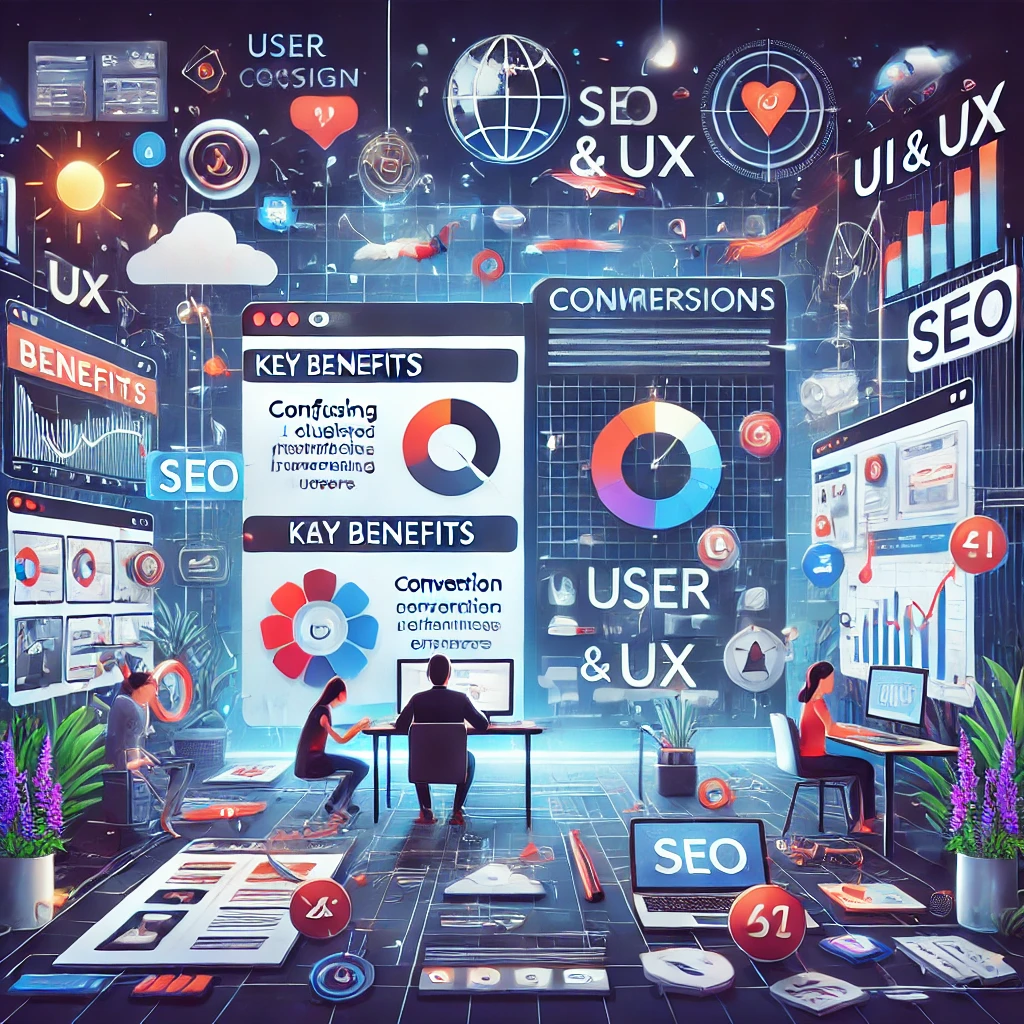
At KSoftTechnology, we understand that a successful website requires the perfect balance of UI and UX. Our web development process ensures that:
- UI design is visually appealing, consistent, and aligned with your brand identity.
- UX design ensures users can easily navigate and complete desired actions without frustration.
- We prioritize responsive web design, ensuring an optimal experience across all devices.
- For eCommerce website development, we create user-friendly product pages, checkout flows, and personalized shopping experiences.
- Our team specializes in custom development, tailoring web solutions that match specific business requirements.
- Ongoing Optimization: We continuously test, refine, and improve UI and UX for better user engagement and performance.
By integrating these strategies, we help businesses maximize their online potential and provide users with an unforgettable digital experience.
Conclusion
In today’s digital world, UI and UX are inseparable elements of website design. A visually appealing website with poor usability will frustrate users, while an intuitive but outdated-looking design may fail to engage them. For businesses aiming to succeed in eCommerce website development and custom development, investing in both UI and UX is essential.
At KSoftTechnology, we ensure that our web development projects balance aesthetics with functionality, delivering seamless experiences that drive engagement and growth. Whether you need a new website, an eCommerce platform, or a UI/UX revamp, our team is here to help you create a stunning and effective digital presence.
Looking to enhance your website’s UI and UX? Contact KSoftTechnology today! 🚀