
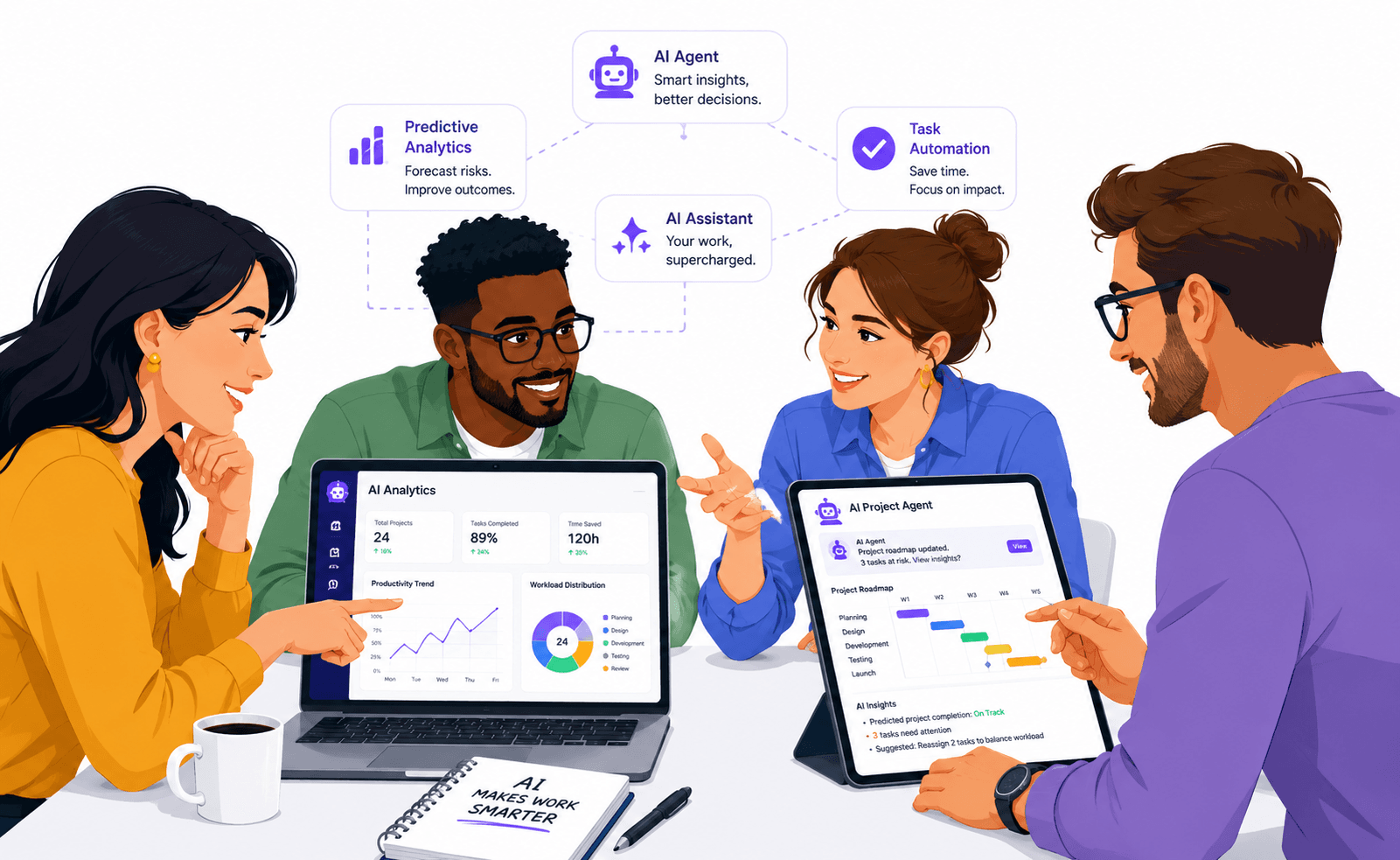
This week, as discussions around AI innovations heat up, many founders are feeling the pressure to keep pace. Your teams are stretched thin, juggling tasks that could be streamlined. What if you could reclaim over 100 hours of work each month and refocus that energy on growth?
Get a realistic roadmap for integrating AI agents into your business today.
The Struggle with Overwork and Inefficiency
In the hustle of daily operations, many businesses find themselves caught in a cycle of overwork. Teams are inundated with repetitive tasks, leading to burnout and stifled creativity. Founders often face the daunting reality of managing resources while trying to maintain productivity, leaving little room for strategic thinking or innovation. The status quo is unsustainable, and the pressure to deliver results is mounting. As AI technology advances, companies are beginning to explore how AI agents can alleviate this burden. These intelligent assistants can handle mundane tasks, such as data entry, scheduling, and even customer inquiries, allowing your teams to focus on higher-value activities. By integrating AI agents into workflows, businesses can start to see a shift from a reactive approach to a proactive strategy, ultimately enhancing operational efficiency. The implications for growth are profound. By saving time, your teams can redirect their efforts toward strategic initiatives that drive revenue, foster innovation, and boost employee morale. The risk of stagnation diminishes when your workforce is empowered to operate at their highest potential.
The Evolution of AI Agents in the Workplace
Historically, the introduction of new technology has been met with skepticism and resistance. The idea of AI agents replacing human jobs often raises concerns about job security and the future of work. However, the conversation is shifting; most founders report that AI is not about replacement but augmentation. It’s about enhancing human capabilities and enabling teams to achieve more. As AI agents become more sophisticated, they are increasingly able to learn from interactions and adapt to workflows. This evolution means that businesses can implement solutions tailored to their specific needs, streamlining processes in ways that were previously unimaginable. The technology is becoming more approachable, allowing companies of all sizes to harness its power without needing a PhD in computer science. The business implication is clear: adopting AI agents can be a competitive differentiator. Companies that embrace this technology now are positioning themselves as leaders in their industries, paving the way for sustainable growth and increased market share.
Real-World Applications Driving Change
Consider a mid-sized marketing agency in London struggling to keep up with client demands. Their team spent hours managing social media posts, answering client queries, and compiling reports. While their dedication was commendable, the inefficiencies were evident, and the team was on the brink of burnout. Enter AI agents, which took on these repetitive tasks, freeing up the team to focus on creative strategy and client engagement. The turning point came when the agency decided to pilot an AI solution that automated their reporting processes and managed client communications. Within weeks, they saw a transformation. Team members reported feeling more energized and engaged, and client satisfaction scores improved as they were able to dedicate more time to personalized service and innovative campaigns. This real-life scenario illustrates how AI agents can catalyze significant change. By alleviating the burden of mundane tasks, businesses can unlock the potential of their teams, leading to enhanced productivity and improved client relationships.
The Importance of Thoughtful Integration
While the benefits of AI agents are clear, it’s crucial to approach their integration thoughtfully. Many founders mistakenly believe that simply deploying an AI solution will yield immediate results. However, the reality is that successful implementation requires careful planning, employee buy-in, and ongoing training. This ensures that your team is equipped to leverage the technology effectively. Training employees on how to work alongside AI agents is essential. Founders need to recognize that these tools are not a magic bullet; they require a cultural shift within the organization. By fostering an environment where team members are encouraged to embrace AI, businesses can maximize the benefits and drive a transformation that genuinely enhances productivity. The outcome of this thoughtful integration is a more cohesive workforce. Employees feel empowered rather than threatened, resulting in a culture of innovation where creative solutions can flourish, ultimately enhancing your bottom line.
Navigating the Risks of AI Adoption
As with any technological advancement, the adoption of AI agents comes with its own set of risks. Founders must navigate concerns around data privacy, intellectual property, and the ethical implications of automation. Recent news highlights the challenges of AI in copyright and data use, making it critical for businesses to establish clear guidelines and policies surrounding AI usage. Understanding these risks is essential for building investor confidence. Companies that proactively address potential pitfalls demonstrate a commitment to responsible AI usage, which can enhance their reputation in the market. By developing robust frameworks for AI integration, businesses can mitigate risks and reassure stakeholders that they are making informed decisions. For founders, this means being transparent about the AI agents' capabilities and limitations. By fostering open communication with teams and stakeholders, you can build trust and ensure that everyone is aligned with the business's strategic vision.
Future-Proofing Your Business with AI
Looking ahead, the landscape of business operations will undoubtedly be shaped by AI agents. The industry consensus suggests that companies embracing AI today will be better positioned to adapt to future market changes. As technology continues to evolve, those who have already integrated AI into their workflows will be ahead of the curve, ready to leverage new advancements as they arise. By prioritizing AI integration now, you’re not just addressing current inefficiencies; you’re setting the stage for long-term growth. Companies that wait risk falling behind, unable to compete in an increasingly digital economy where agility and innovation are paramount. The path forward is clear: invest in AI agents and commit to continuous improvement. This proactive approach can lead to a more resilient business model, capable of withstanding the challenges of tomorrow’s market.
Taking the First Step Toward Transformation
If you're feeling overwhelmed by the prospect of integrating AI agents into your business, you're not alone. Many founders are grappling with the same questions: Where do I start? How do I ensure my team is on board? The first step is to seek guidance and develop a realistic roadmap tailored to your unique business needs.we specialize in helping businesses like yours navigate the complexities of AI integration. Whether you’re looking to create a proof-of-concept or scale up your existing solutions, we can provide the expertise and support you need to make informed decisions. The journey starts with understanding your specific challenges and identifying opportunities for improvement. Taking action now can set you on a path toward reclaiming time, enhancing productivity, and ultimately driving growth. Don’t let uncertainty hold you back from the potential benefits of AI.
Get a realistic roadmap for integrating AI agents into your business today.
What This Looks Like in Practice
A logistics company in Manchester faced significant delays due to manual processing of shipping data. The team was overwhelmed, leading to errors and customer dissatisfaction. When they implemented AI agents to automate data entry and tracking updates, they not only reduced errors but also improved delivery times, resulting in happier customers and increased repeat business.
The Transformation
Before integrating AI agents, many founders find themselves mired in repetitive tasks, leaving little room for strategic thinking. After the transformation, they experience a revitalized workforce, empowered to focus on innovation and growth, ultimately leading to improved business performance.
Frequently Asked Questions
How can AI agents save my business time?
AI agents automate repetitive tasks, allowing your team to focus on higher-value activities, which can lead to significant time savings and increased productivity.
What is the cost and timeline for implementing AI agents?
Costs vary based on your needs, with packages ranging from £8,000 to over £500,000. Implementation timelines depend on the complexity of your requirements.
What are the risks associated with AI adoption?
Risks include data privacy concerns and potential job displacement. Addressing these proactively through policy development can help mitigate them.
How do AI agents compare to traditional automation tools?
AI agents are designed to learn and adapt, making them more versatile than traditional tools, which often require strict programming and lack the ability to improve over time.
What is the first step to get started with AI agents?
Begin by assessing your business needs and exploring options for integration. Consulting with a specialist can help you develop a tailored strategy.
Conclusion
The next 12 months will be critical for businesses that act now to integrate AI agents. Those who embrace this technology will likely see significant improvements in efficiency and growth, while those who hesitate may find themselves struggling to keep pace with competitors. The time to act is now.