
Introduction: The Underrated Superpower of Marketing – Storytelling
Ask any seasoned business leader about the most critical aspect of marketing, and you'll likely hear about analytics, targeting, and strategy. But there’s one element that underpins all successful marketing campaigns—storytelling. It’s the magic ingredient that turns a brand from just another name in the market into a movement, an experience, and a legacy.
Storytelling in content marketing isn’t just about crafting fancy narratives. It’s about weaving your brand’s mission, values, and solutions into compelling experiences that resonate with your audience. Stories build trust, evoke emotions, and—most importantly—drive action.
This guide will break down the psychology, strategy, and real-world applications of storytelling in marketing, helping business leaders harness its potential to captivate and convert.
The Science Behind Storytelling: Why Do Humans Crave Stories?
1. Our Brains Are Hardwired for Stories
Since the dawn of civilization, humans have communicated through stories. Cave paintings, folklore, and religious texts all rely on narratives to pass down wisdom and information. The human brain retains stories 22 times better than plain facts because stories engage multiple areas of the brain.
When we hear an engaging story, our brain releases dopamine, which enhances memory and emotional connection. If a story is relatable, our mirror neurons activate, making us feel as if we’re experiencing it ourselves. This is why compelling storytelling in marketing isn’t just a gimmick—it’s neuroscience in action.
2. Emotion Drives Decision-Making
People don’t buy products; they buy emotions. Apple doesn’t just sell iPhones; they sell innovation and status. Nike doesn’t sell shoes; they sell resilience and determination. Stories evoke emotions, making consumers feel something before they even think about a purchase.
A well-crafted story makes the audience the protagonist, helping them see their struggles, aspirations, and solutions through the brand’s lens.

Our Expertise: Crafting Digital Stories That Resonate
Every business is a story in itself—one of ambition, innovation, and growth. At KSoft Technologies, we ensure your digital presence tells that story in the most impactful way possible. Our expertise includes:
- ✅ Web Development – More than just websites, we create interactive brand experiences that tell your story and engage your audience.
- ✅ Mobile App Development – Apps that don’t just function but resonate, ensuring every tap and swipe contributes to your brand’s narrative.
- ✅ Custom ERP Solutions – Intelligent automation that streamlines business processes, turning efficiency into a brand story.
- ✅ Maintenance & Support – Ensuring your digital presence stays relevant, adapting as your story evolves.
- ✅ Process Automation – Removing inefficiencies so businesses can focus on their core narrative—growth and innovation.
We don’t believe in one-size-fits-all solutions. Every business has a unique journey, and our job is to translate that into digital solutions that connect with the right audience and drive action.
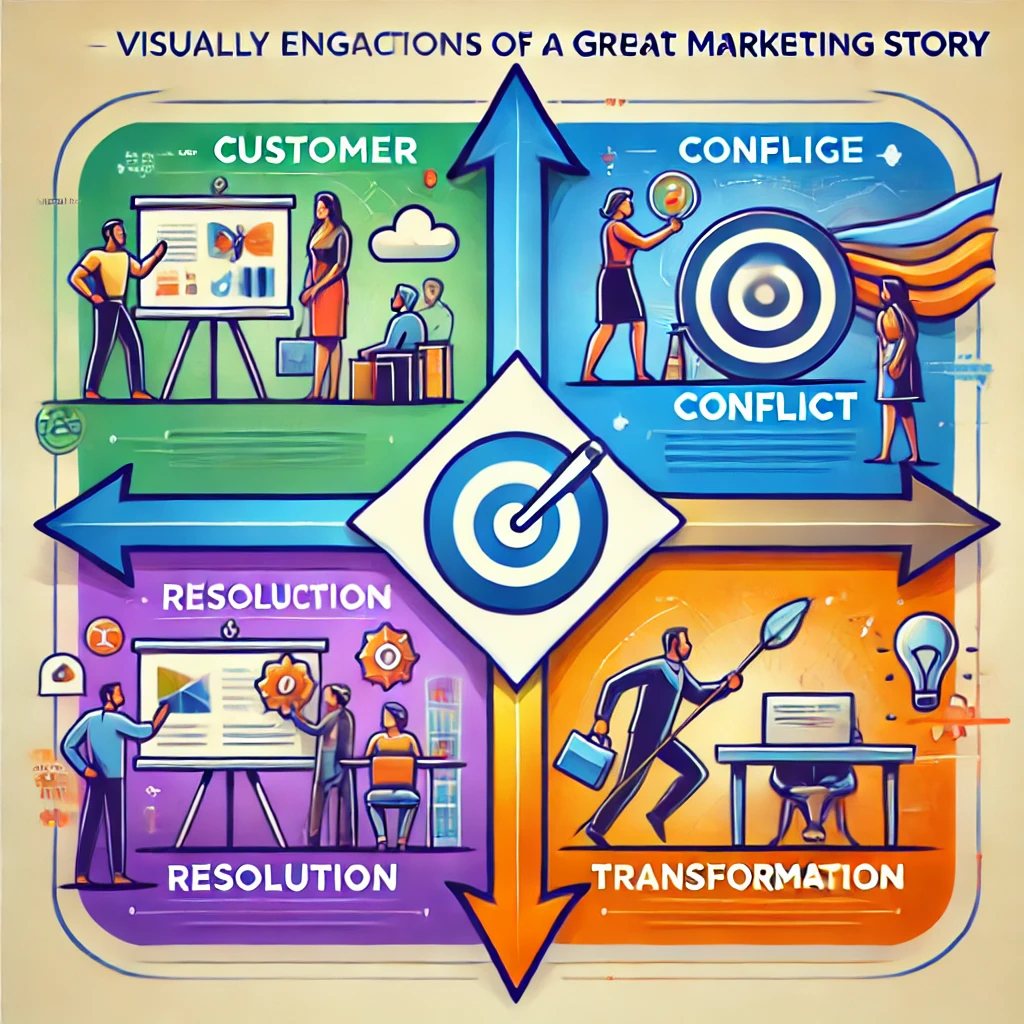
Elements of a Great Marketing Story
Every blockbuster movie follows a structured narrative: a hero faces a challenge, overcomes it, and emerges transformed. The same formula applies to brand storytelling.
1. Character: Who is the Hero?
The hero of your marketing story isn’t your brand—it’s your customer. Your audience should see themselves in the protagonist, facing the same struggles and seeking solutions.
2. Conflict: The Challenge That Needs Solving
No great story exists without conflict. What problem does your customer face? A frustrating user experience? Inefficiency? Lack of direction? Define the challenge clearly.
3. Resolution: The Transformation Through Your Brand
Here’s where your brand enters as the mentor, guiding the hero to a solution. Your product or service should be the catalyst that helps the protagonist overcome their challenges and achieve success.
4. Emotion: The Heart of the Story
Why should the audience care? Emotional triggers make stories memorable. A brand that can make people laugh, cry, or feel inspired will always have an edge over competitors who rely solely on features and benefits.
How to Use Storytelling in Content Marketing Strategies
1. Website Content: Your About Us Page as a Story
Your About Us page shouldn’t be a dull corporate history. Instead, it should be a narrative about why your brand exists, the struggles you’ve overcome, and how you aim to make a difference. Brands like Patagonia excel at this by blending their mission, sustainability efforts, and values into their brand story.
2. Social Media Marketing: Micro-Stories That Go Viral
Platforms like Instagram, LinkedIn, and Twitter are storytelling goldmines. A single LinkedIn post sharing an authentic journey of overcoming business challenges can drive thousands of engagements. Brands like Airbnb use real customer stories to humanize their brand and create community-driven content.
3. Email Marketing: Storytelling to Increase Open Rates
People receive dozens of emails daily, so why should they open yours? Start with a captivating narrative. Instead of writing, "Check out our latest offer," try:
"Meet Sarah. She struggled with productivity until she discovered a tool that changed her workflow forever. Here’s how you can do the same."
4. Video Marketing: The Future of Storytelling
If a picture is worth a thousand words, a well-executed video is worth a million. Brands like Dove (with its “Real Beauty” campaign) use storytelling to inspire, educate, and build emotional connections. Creating short-form reels, testimonials, and behind-the-scenes brand stories can skyrocket engagement.
5. Case Studies & Testimonials: Turning Customers into Narrators
Nothing is more convincing than a real customer sharing how your product or service transformed their business. Instead of just listing testimonials, turn them into compelling narratives with a beginning, middle, and resolution.
Case Studies: How Top Brands Master Storytelling
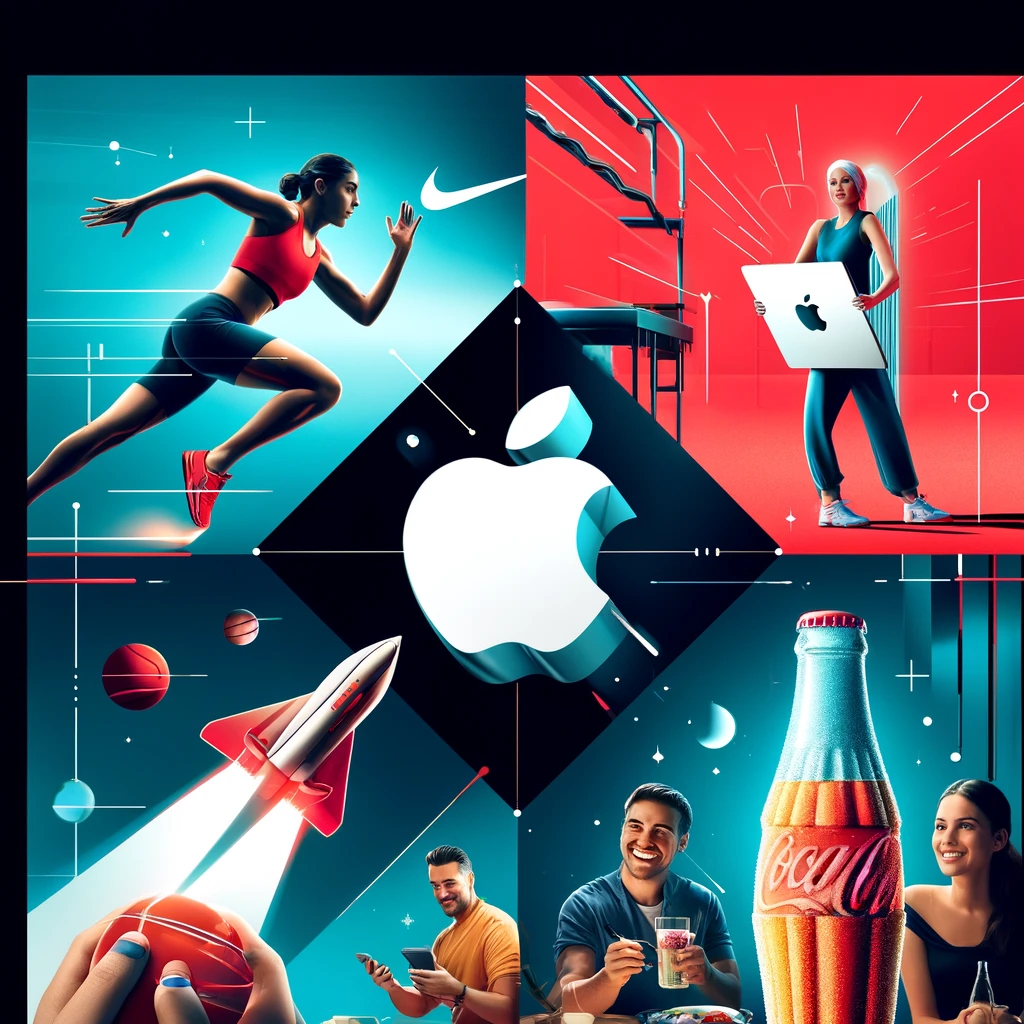
Nike: The Underdog Spirit
Nike’s “Just Do It” campaigns focus on personal triumphs, featuring athletes overcoming incredible odds. Instead of selling shoes, Nike sells the idea that anyone can achieve greatness with perseverance.
Apple: Storytelling Without Words
Apple’s marketing is so strong that they often let the product speak for itself. Their commercials show people experiencing technology rather than just explaining features. The takeaway? Show, don’t tell.
Coca-Cola: Selling Happiness
Coca-Cola doesn’t market sugary drinks; they market happiness, friendship, and nostalgia. Their holiday campaigns, featuring heartwarming stories, reinforce their brand as a symbol of joy and togetherness.
Authenticity in Storytelling: The Non-Negotiable Rule
Consumers today can easily detect insincerity. Brands that fabricate stories risk losing trust and credibility. To build a loyal audience, storytelling must be genuine and relatable.
Be Transparent: Share real challenges and how you overcame them. People connect with struggles and successes, making your brand more human and trustworthy.
Use Genuine Testimonials: Feature real customers and their unfiltered experiences. Authentic feedback builds credibility and fosters stronger connections.
Avoid Over-Exaggeration: While storytelling should be compelling, it must remain truthful. Overhyped narratives can damage brand reputation when reality doesn’t match expectations.
Measuring Storytelling Success
Like any marketing strategy, storytelling should drive measurable results. Key performance indicators (KPIs) help assess its impact.
Engagement Rates: Track likes, shares, and comments on social media. High engagement indicates that the story resonates with the audience.
Conversion Rates: Measure how many story-driven interactions lead to actions such as sales, sign-ups, or downloads. A strong narrative should inspire action.
Time Spent on Content: If users spend more time reading or watching, it signals deep interest and connection with the story.
At KSoft Technologies, we integrate storytelling with data analytics, ensuring every story drives real business results while strengthening brand-consumer relationships.
The Future of Storytelling in Marketing
The next frontier of storytelling lies in immersive experiences. Augmented Reality (AR), Virtual Reality (VR), and AI-driven personalization will redefine how brands craft and deliver their stories. Brands that embrace these innovations will stay ahead of the competition.
Final Thought: In a world drowning in content, storytelling isn’t just an option—it’s the ultimate differentiator. If you want to build a lasting brand, tell a story that your audience won’t forget.
Discover how KSoft Technologies leverages authentic storytelling to drive engagement and business growth – read more in our latest LinkedIn post and explore our carousel on storytelling."
At KSoft Technologies, we don’t just market businesses—we tell stories that transform them. 🚀