Introduction: The Ecommerce Boom Isn’t Slowing Down
In 2025, ecommerce is not just booming—it’s evolving faster than ever. Consumers are expecting seamless digital shopping experiences, businesses are seeking automation and personalization, and technologies like AI, AR, and voice search are redefining online retail.
Whether you’re a startup launching your first store or an enterprise brand scaling globally, there’s a decision you must make early: off-the-shelf platform or custom ecommerce website development?
While the convenience of drag-and-drop builders is tempting, the businesses that lead the ecommerce race today are the ones investing in custom software development services that meet their exact needs—flexible, secure, scalable, and future-ready.
Let’s break down why ecommerce and custom development go hand in hand, and why it’s the smarter choice for ambitious brands in 2025.
Off-the-Shelf Platforms: Quick, But Limiting
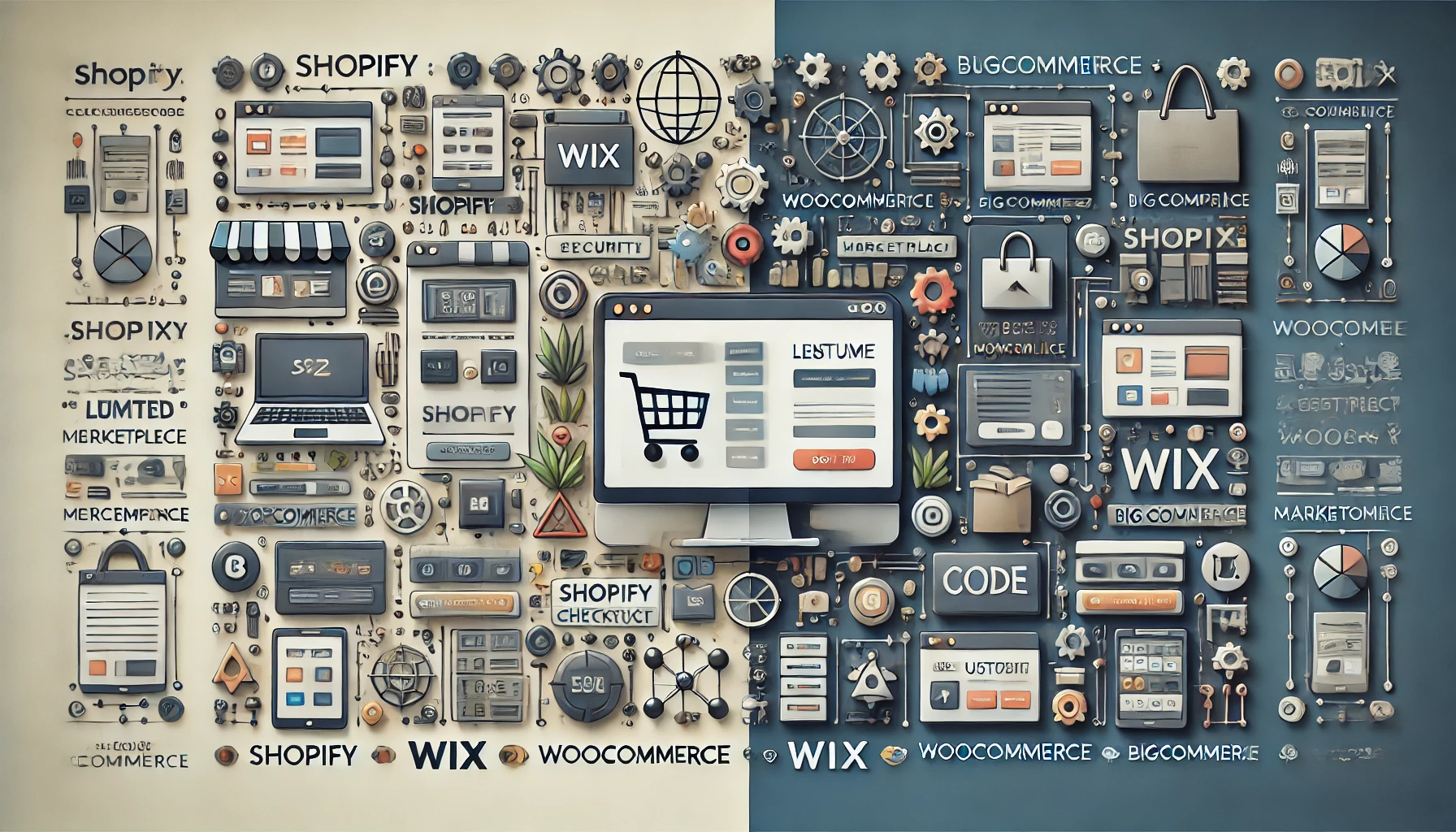
Platforms like Shopify, WooCommerce, Wix, and BigCommerce have made it easier than ever to launch an ecommerce site in a day. They come with built-in templates, payment systems, and app integrations, which can be incredibly useful for businesses looking to get started quickly.
However, these “plug-and-play” solutions also come with serious long-term limitations:
- Customization Caps You can tweak themes and install apps—but you can’t fully change the core functionality. Want to redesign your checkout flow, create a multi-vendor marketplace, or introduce personalized pricing? Good luck. You’ll be bound by the platform’s restrictions and reliant on third-party plugins.
- Scaling Challenges As your business grows, off-the-shelf platforms can become bottlenecks. Sudden traffic spikes, high-volume product listings, and large customer databases can overwhelm these systems, causing slowdowns and crashes.
- Hidden Costs Add Up Most off-the-shelf platforms charge monthly fees, transaction fees, and third-party app costs. Over time, these expenses may exceed the cost of building a tailored solution.
- Security Gaps You don’t fully control the hosting, database access, or codebase. That makes you more vulnerable to cyber threats, especially if you’re depending on outdated or poorly maintained plugins.
In summary, while off-the-shelf tools are ideal for entry-level experimentation, they aren’t built for growth, innovation, or resilience—all critical in 2025.
Why Ecommerce and Custom Development Are the Perfect Match
In contrast, custom ecommerce website development is all about building your platform from the ground up—just the way you envision it. You collaborate with developers, designers, and strategists to craft an experience that aligns with your business goals and customer needs.
Here’s why it’s a winning approach:
1. Customization Without Limits
Custom development means complete freedom. You’re not working within the boundaries of a platform—you define the rules. Whether it’s:
- A complex product configurator
- AI-based product recommendations
- Multilingual and multi-currency support
- Custom pricing algorithms
- Unique UX flows
—you can build it. Your business processes, not software limitations, drive the development.
2. Seamless Scalability
When you opt for custom software development services, your site is built with scalability in mind. As your traffic increases, new categories emerge, and customer behaviors evolve, your platform grows with you. You can:
- Integrate any backend system (ERP, CRM, inventory, etc.)
- Add new modules or features on demand
- Optimize server infrastructure for global performance
In a time when businesses shift strategies often, scalability becomes a must-have, not a nice-to-have.
3.Performance & SEO Optimization
Google loves fast, clean, and user-friendly websites. Off-the-shelf platforms are bloated with unnecessary scripts, slow plugins, and general-purpose code that weakens performance. Custom ecommerce development allows you to:
- Minimize code bloat
- Use only what’s necessary
- Focus on clean architecture for fast load times
This directly boosts SEO rankings, conversion rates, and user satisfaction—key metrics that define success in 2025.
4. Enterprise-Level Security
With a custom build, you decide the level of security and privacy features implemented. Whether it’s:
- Data encryption
- Two-factor authentication
- Role-based access control
- GDPR and CCPA compliance
- Custom firewalls and threat monitoring
—you have the tools to protect your customers and your brand. You’re not at the mercy of a platform’s vulnerability report. A trusted software development company in the USA will follow best practices and industry standards to keep your system safe from internal and external threats.
5. Tailored Integrations & Automation
A key strength of custom platforms is the ability to integrate exactly what you need—from marketing tools to logistics and accounting software. Whether you use Salesforce, HubSpot, SAP, QuickBooks, or a proprietary system, your custom store can communicate directly with it, saving hours of manual work. You can also automate processes like:
- Abandoned cart follow-ups
- Inventory restocking alerts
- Personalized product suggestions
- Customer segmentation for email campaigns
Automation is the foundation of efficiency and profitability in modern ecommerce.
6. Brand Identity & Experience
Off-the-shelf templates are used by thousands. Even with some tweaks, they look and feel generic. A custom ecommerce site reflects your brand’s DNA in every pixel—from layout and typography to animations and product pages. You control how visitors interact, engage, and convert. In 2025, shoppers expect immersive, delightful experiences—not cookie-cutter layouts. With custom development, you’re building a digital brand destination.
Real-World Impact: The Shift Toward Custom Development
More and more companies are moving away from pre-built ecommerce platforms after outgrowing their capabilities.
Fashion brands, subscription businesses, and even D2C startups are now launching with custom-built platforms from day one—because they know the cost of migrating later is too high.
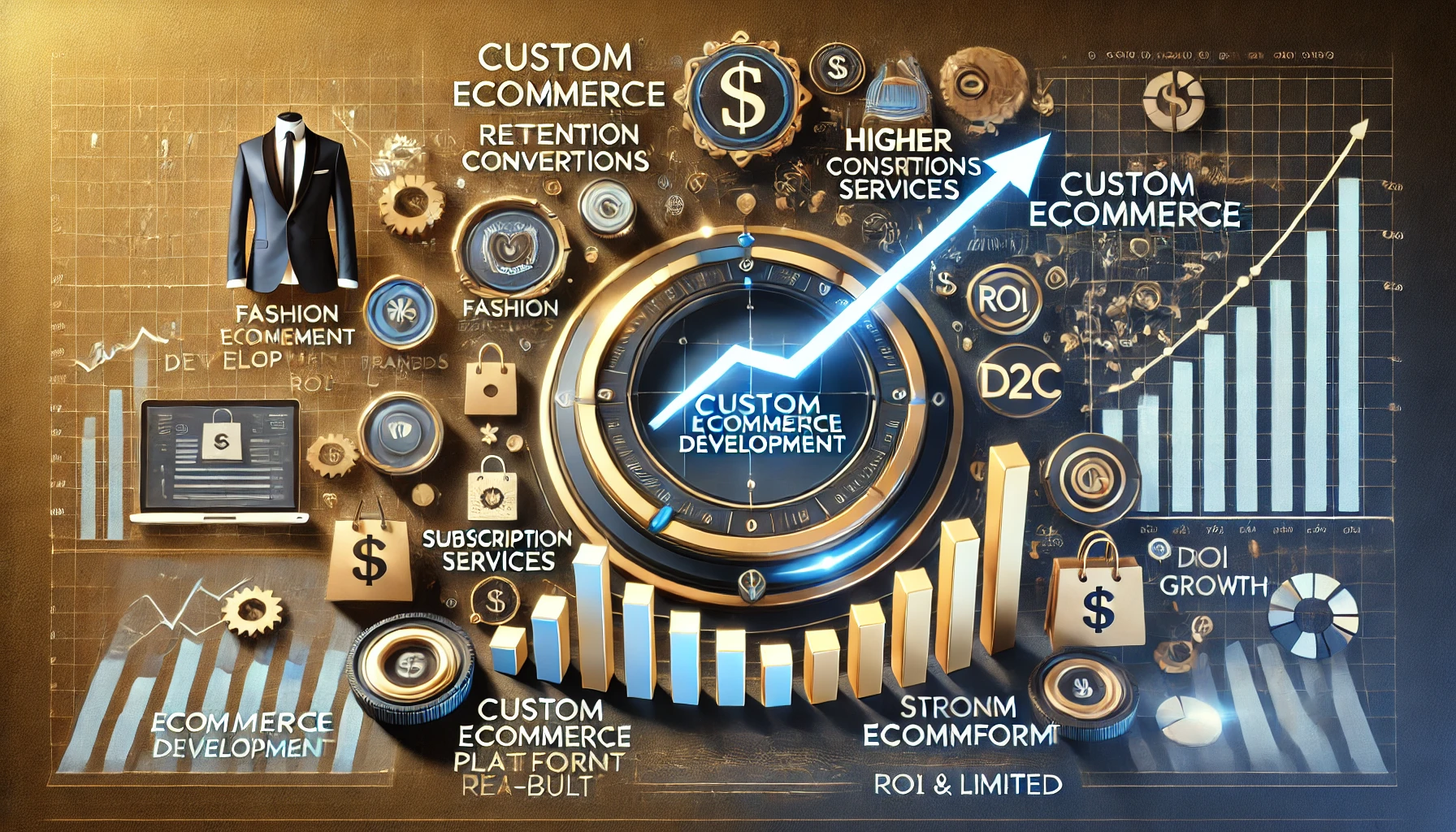
The ROI on custom development is undeniable:
- Higher retention
- Better conversion
- Lower tech debt
- Stronger brand presence
Simply put, businesses that choose custom ecommerce solutions are better equipped to lead, adapt, and win.
Finding the Right Partner for Custom Ecommerce Development
So, how do you get started?
Work with a software development company in the USA that specializes in ecommerce strategy, custom coding, and post-launch support. The right partner will:
- Help you define requirements
- Build scalable architecture
- Design user-focused experiences
- Prioritize mobile responsiveness
- Provide ongoing performance optimization
Ask for case studies, client testimonials, and post-launch support commitments to ensure you’re choosing a long-term ally—not just a vendor.
Final Thoughts: The Future is Custom
2025 demands more than just being online—it requires owning the online experience.
While off-the-shelf platforms may give you a head start, they won’t carry you across the finish line. As ecommerce evolves to include immersive experiences, real-time data personalization, and frictionless checkouts, the only solution that can adapt with you is one that’s tailored to your journey.
✅ Invest in custom ecommerce development.
- Own your technology.
- Customize every touchpoint.
- Scale without limits.
- Secure your operations.
- Deliver experiences worth returning for.
Partner with KSoft Technologies
At KSoft Technologies, we specialize in ecommerce website development and custom software development services tailored for your success. As a trusted software development company in the USA, we bring innovation, security, and scalability to every project we handle.
Whether you’re launching a brand-new store or looking to upgrade your current platform, we’ll help you build a solution that delivers long-term impact and unmatched user experience.
👉 Let’s talk. Let’s build. Let’s grow—together.
📧 Reach out to us at info@ksofttechnologies.com 🌐 Visit: www.ksofttechnologies.com